
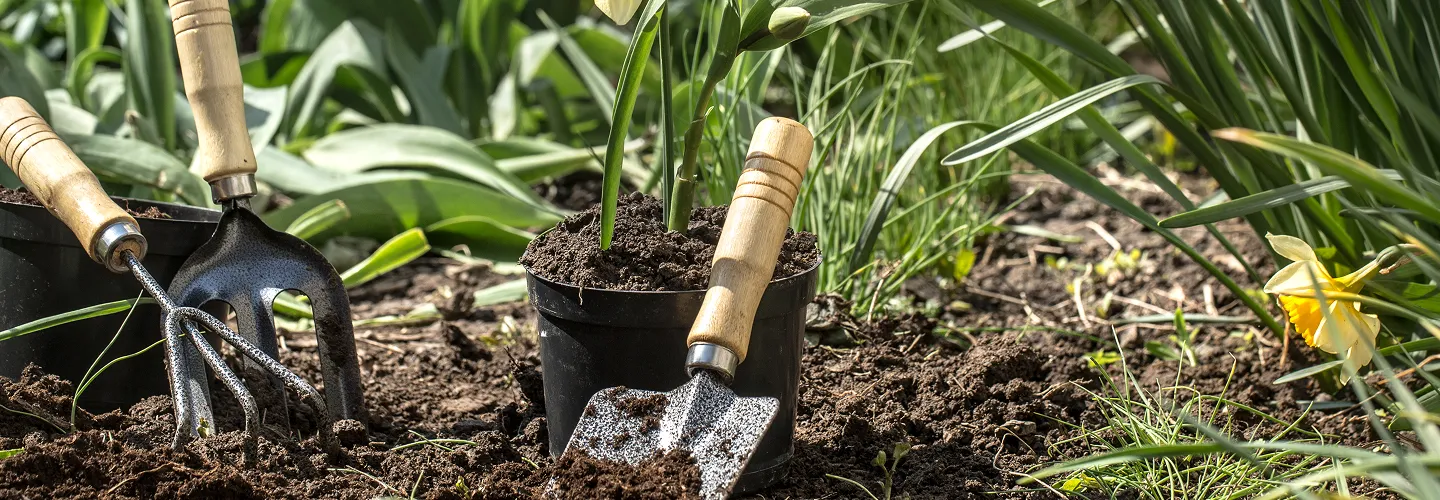
Castle Hills Weeding Services
Choose our expert weeding services for reliable, thorough care that protects your plants, enhances curb appeal, and saves you time—so you can enjoy a healthier, more vibrant landscape all season long.
Get a Free QuoteOur Castle Hills Landscaping & Yard Care Services
When to Schedule Weeding in Castle Hills, Texas – Seasonal Guide
In Castle Hills, Texas, the timing of weeding is crucial for maintaining healthy, attractive landscapes throughout the year. The region’s subtropical climate means that weeds can emerge as early as late winter and persist well into the fall. Optimal weeding typically begins in early spring, just after the last frost date, and continues with regular intervals through late summer. Neighborhoods near the Castle Hills Commons and along West Avenue often experience rapid weed growth due to a combination of rich soils and intermittent rainfall, making timely intervention essential.
Local environmental factors play a significant role in determining the best weeding schedule. For example, areas with dense shade from mature oaks or pecans, such as those near The Commons at Castle Hills, may see different weed species than sunnier yards. Soil composition varies across the city, with some properties featuring clay-heavy soils that retain moisture, increasing the risk of persistent weeds. Additionally, Castle Hills residents should be mindful of municipal guidelines and seasonal drought advisories, which can affect when and how weeding services are performed. For more information on local environmental considerations, visit the Sudbury town resources.
Local Factors to Consider for Weeding in Castle Hills
- Tree density and shade coverage, especially in established neighborhoods
- Soil type (clay, loam, or sandy soils)
- Seasonal precipitation and drought risk
- Proximity to landmarks like Castle Hills Commons or West Avenue
- Municipal restrictions on herbicide use and yard waste disposal
- Terrain and drainage patterns affecting weed growth
Benefits of Weeding in Castle Hills

Professional Landscaping Expertise
Enhanced Curb Appeal
Weed-Free Lawns Guaranteed
Eco-Friendly Weed Control
Time and Effort Savings
Customized Maintenance Plans

Castle Hills Weeding Types

Hand Weeding
-
Mulch Application
-
Pre-Emergent Weed Control
-
Post-Emergent Herbicide Treatment
-
Mechanical Weeding
-
Landscape Fabric Installation
-
Selective Weed Removal
Our Weeding Process
Site Evaluation
Weed Identification
Targeted Removal
Soil Treatment
Final Inspection
Why Choose Castle Hills Landscape Services
-
Castle Hills Homeowners Trust Us
-
Expert Lawn Maintenance
-
Reliable Scheduling
-
Competitive Pricing
-
Professional Team
-
Satisfaction Guarantee
-
Personalized Service
Soil Series and Drainage Considerations for Weeding in Castle Hills
Castle Hills is characterized by Vertisols and Mollisols, including the Houston Black clay series, which are known for their high clay content and poor drainage. These soils often exhibit pH levels ranging from 7.2 to 8.0, requiring careful selection of weeding methods to avoid soil compaction and runoff. For effective weed removal, mechanical extraction is recommended to a depth of 2-3 inches, especially in areas with compacted clay. Soil testing through Texas A&M AgriLife Extension is advised to determine amendment needs. Best practices include:
- Avoiding weeding when soils are saturated to prevent compaction
- Incorporating 2-3 inches of compost to improve structure
- Maintaining a 25-foot buffer from wetlands and drainageways
San Antonio Public Works Department
114 W. Commerce Street, San Antonio, TX 78205
Phone: (210) 207-8022
Official Website: San Antonio Public Works Department
Equipment Operation Hours and Noise Ordinance Compliance in Castle Hills
Weeding activities in Castle Hills must comply with local noise ordinances to minimize community disturbance. Equipment operation is permitted during the following hours:
- Monday-Friday: 7:00 AM - 7:00 PM
- Saturday: 8:00 AM - 6:00 PM
- Sunday and holidays: Prohibited All powered equipment must be fitted with functional mufflers, and noise levels should not exceed 85 decibels at the property line. Operators are required to wear ANSI Z87.1 safety glasses, hearing protection for equipment over 85 dB, and steel-toed boots. For work near public rights-of-way, advance warning signage and a 15-foot safety perimeter are mandatory. Compliance is monitored by municipal code enforcement.
San Antonio Code Enforcement
1901 S. Alamo Street, San Antonio, TX 78204
Phone: (210) 207-8211
Official Website: San Antonio Public Works Department
Stormwater Protection and Environmental Compliance for Weeding in Castle Hills
Weeding services in Castle Hills must adhere to stormwater management requirements under the Texas Water Code and the Clean Water Act. The city’s MS4 permit prohibits the disposal of plant debris or soil in storm drains. Key compliance steps include:
- Collecting all weed debris for proper disposal (no dumping in drains)
- Maintaining a 25-foot no-disturbance buffer from wetlands and creeks
- Avoiding herbicide application within 50 feet of water bodies
- Using only EPA-registered products for chemical weed control Violations may result in fines or remediation orders. For guidance on buffer zones and debris management, consult the city’s environmental management office.
San Antonio Environmental Management
1400 S. Flores Street, San Antonio, TX 78204
Phone: (210) 207-1440
Official Website: San Antonio Environmental Management
Texas Commission on Environmental Quality
12100 Park 35 Circle, Austin, TX 78753
Phone: (512) 239-1000
Official Website: Texas Commission on Environmental Quality
Seasonal Timing and Weather Considerations for Weeding in Castle Hills
Castle Hills falls within USDA Hardiness Zone 8b, with optimal weeding windows in early spring (March 1 - April 15) and late fall (October 15 - November 30), when soil temperatures range from 55°F to 70°F. Avoid weeding during peak summer (June-August) due to heat stress and rapid weed regrowth. Monitor local weather forecasts through the National Weather Service San Antonio Office to schedule work after rainfall, when soil moisture facilitates easier root removal. Timing recommendations:
- Spring weeding: March 1 - April 15
- Fall weeding: October 15 - November 30
- Avoid: June-August (heat, drought stress)
- Check soil moisture: Target 1-2 days after moderate rain
What Neighborhoods Do We Serve Throughout Castle Hills, TX?
- The Commons at Castle Hills: Features mature landscaping and dense tree cover, requiring careful hand weeding to protect established root systems and comply with HOA landscaping standards.
- Castle Hills Forest: Characterized by heavy clay soils and moderate slopes, necessitating mechanical extraction and erosion control measures during weed removal.
- Oak Glen Park: Contains properties adjacent to drainageways and wetlands, where a 25-foot buffer is enforced and debris disposal is strictly regulated.
- Castle Hills Estates: Large lots with expansive turf areas and periodic flooding, requiring attention to soil compaction and stormwater compliance.
- Northcrest Hills: Newer development with compacted fill soils and limited organic matter, making soil amendment and compost incorporation essential for effective weeding.
- West Avenue Corridor: High-traffic area with narrow rights-of-way and overhead utilities, demanding strict adherence to safety perimeters and equipment operation hours.
Municipal Collection and Disposal Procedures for Weed Debris in Castle Hills
Proper disposal of weed debris is mandated by Castle Hills’s municipal waste program. Weekly yard waste collection occurs every Thursday from April through November. Accepted materials include:
- Leaves, grass clippings, and weeds (under 4 feet in length)
- Biodegradable paper bags or reusable bins (32-gallon maximum)
- No plastic bags or branches over 4 inches in diameter Debris must be placed curbside by 7:00 AM on collection day. Improper disposal, such as dumping in storm drains or public spaces, is subject to fines. For additional guidance, contact the Department of Public Works.
San Antonio Public Works Department
114 W. Commerce Street, San Antonio, TX 78205
Phone: (210) 207-8022
Official Website: San Antonio Public Works Department
For further technical guidance on soil management and plant selection, consult Texas A&M AgriLife Extension. For regulatory updates, refer to EPA Region 6 and the USDA Web Soil Survey.